

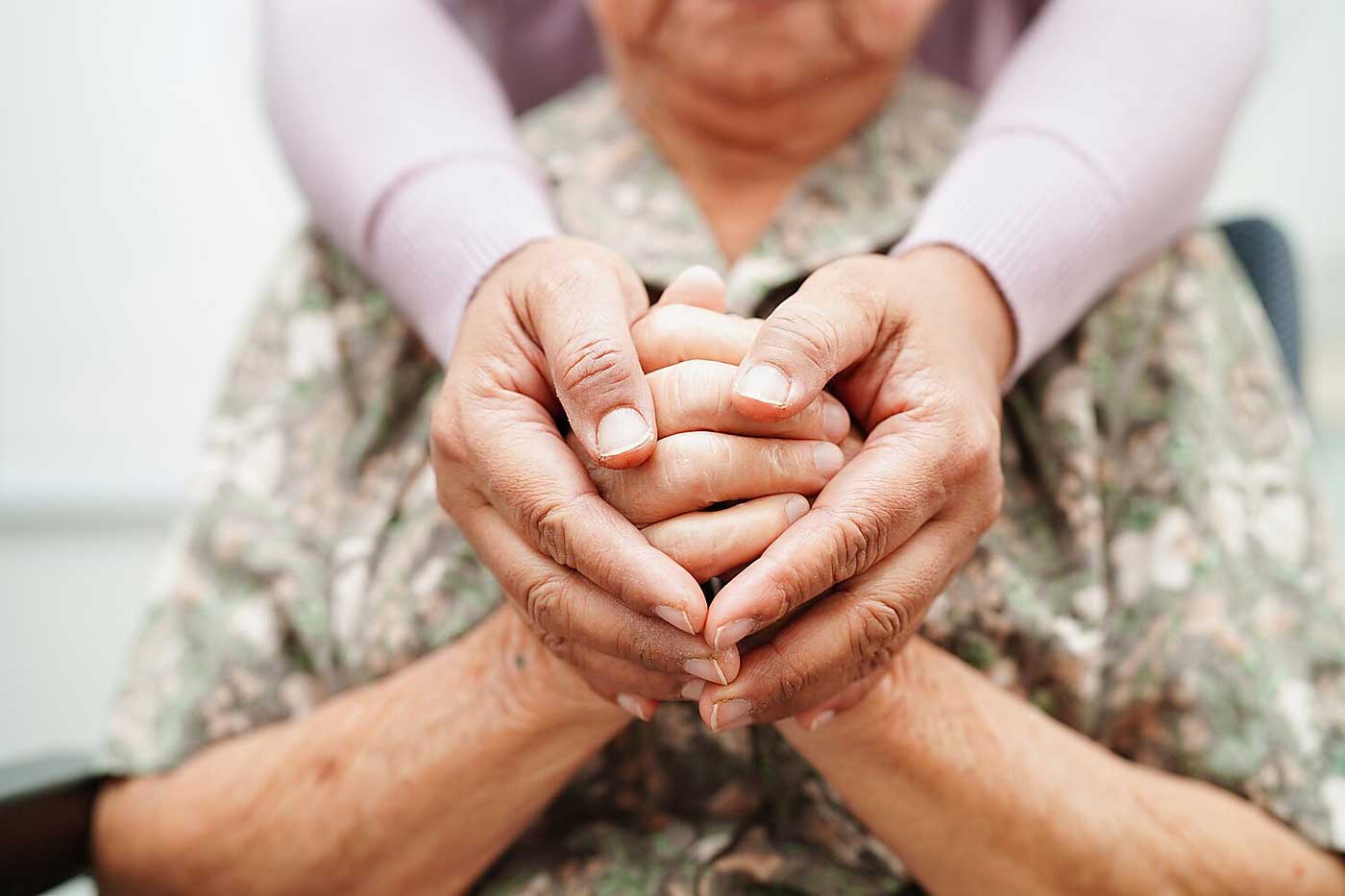
For a former player living with chronic pain or a health condition, the person making the calls, driving to appointments and keeping track of the medications is often a spouse, a partner, an adult child or a friend. November is National Family Caregivers Month, and we want to say thank you.
The ultimate teammate: Everson Walls and Ron Springs
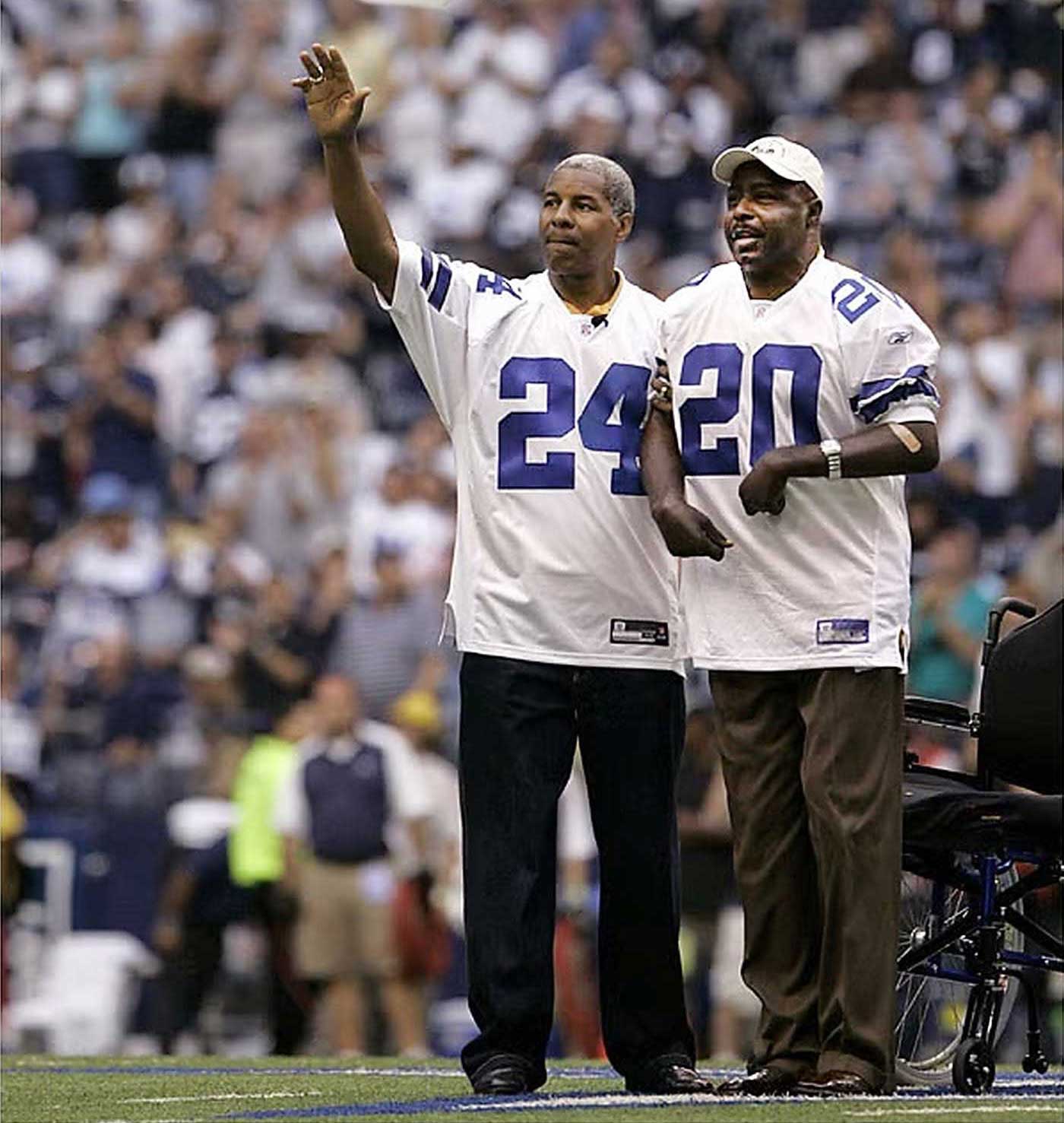
Few locker-room bonds match the one between former Cowboys teammates Everson Walls and Ron Springs. They played together in Dallas in the early 1980s, and Springs took the undrafted rookie under his wing.
Several years after his playing career ended, Springs was diagnosed with diabetes. Over time the disease damaged his kidneys, and he was on dialysis and on the national transplant list. His son Shawn, then an NFL cornerback, offered to be tested as a donor, but Ron refused because it could have ended Shawn’s career. Walls stepped in and donated one of his kidneys in early 2007. The two formed the Gift for Life Foundation to educate people about preventing chronic kidney disease.
Springs’s health later declined, and he died in May 2011 after years in a coma. Walls has continued to speak about the disease. He has served as grand marshal of the American Diabetes Association’s Step Out Walk: North Texas, and has said that donating his kidney showed him the devastating impact of diabetes firsthand.
The takeaway: Diabetes affects more than blood sugar. It can affect the heart, eyes and kidneys, and the people who stand beside you carry some of the weight. Use your alumni benefits to get screened this November and bring your spouse or partner along.
What research says about NFL families
A first-of-its-kind study from the Football Players Health Study at Harvard looked at the spouses and partners of current and former NFL players. Among 172 participants, those who rated their own health as poor reported more caregiver burden, anxiety and depression. Higher marital satisfaction was linked to lower levels of all three. Partners who were worried about CTE reported caregiver burden on par with military families, and higher than family members caring for a partner with cancer, dementia or advanced age. Partners with a history of many football-related moves also reported more burden. The study was published in Frontiers in Psychology in May 2025 and is still open for new participants.
The bigger picture
According to AARP and the National Alliance for Caregiving, 63 million Americans are now family caregivers, roughly 1 in 4 adults and a 45% increase over the past decade. Their 2025 report found that 44% of caregivers provide high-intensity care. Nearly 1 in 5 report fair or poor health because of caregiving, a little over one-third have stopped saving, and 23% say they are in debt as a result.
Looking back: Ray Lewis and Emmitt Smith on caregiving
Rather than a new interview this month, we want to revisit a conversation that still rings true. During Hall of Fame Enshrinement Week in August 2025, NFL Alumni Health and AARP brought together Ray Lewis, Emmitt Smith, health leaders and former players for the Legends of Longevity: Huddle for Health Symposium. The program centered on caregiving, resilience and aging well.
What Ray Lewis said
Lewis grew up in Lakeland, Florida, watching his mother, Sunseria, give everything to the people she cared for. He talked about how rarely anyone asked how she was doing, and about navigating aging-related health challenges with his own family today. As he put it, “Caregiving is leadership.” He urged men, especially in communities where caregiving is often stigmatized, to normalize the conversation and ask for help.
What Emmitt Smith said
Smith has been a caregiver since childhood. His first job at 12 was in a nursing home, and he later supported his father through prostate cancer. He has told AARP that the role gave him empathy, and that letting others care for you can be as hard as caring for someone else. Read Smith’s conversation with AARP.
Why it still matters
The numbers back them up. About 63 million Americans are family caregivers, and Harvard’s study of NFL spouses and partners found real levels of burden, anxiety and depression. Both men’s stories point the same way: caregivers are part of the team, and asking for help is a strength, whether you are the one giving care or the one receiving it.
Watch the clips
Video highlights from the symposium are on the NFL Alumni Health website:
Ray Lewis – https://www.youtube.com/watch?v=XDqQy-AvWpw&t=27s
Emmitt Smith – https://youtu.be/CN9_5fWH3cg
Full Symposium – https://youtu.be/BckEjcbGW4w
One small step this week
If you are a caregiver, pick one task and ask someone to take it off your plate. If someone cares for you, tell them thank you, out loud, and ask how they are doing.
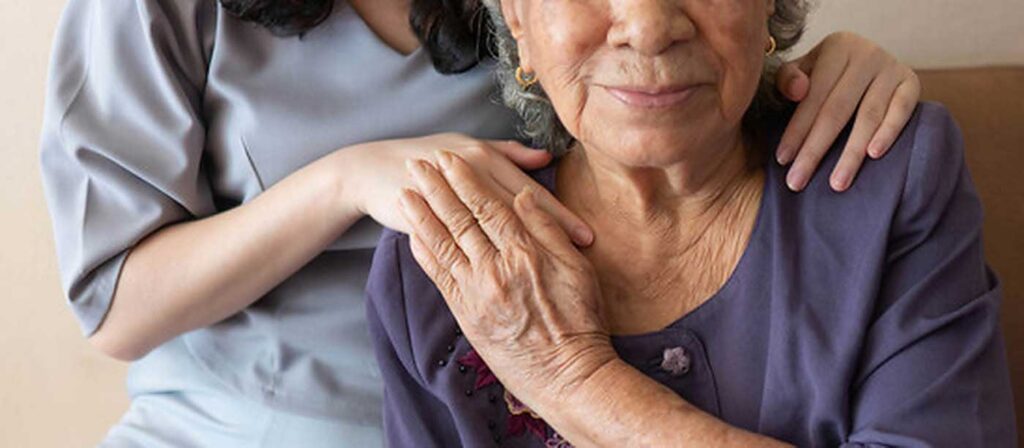
Where to find support
- AARP Caregiving: guides on care at home, medical, financial and legal issues, and life balance
- AARP state resource guides: help and services in your area
- Healthy Body & Mind Screening: accompanying spouses are eligible for a full screening
- Harvard FEM-FL study: for spouses and partners of current and former NFL players
Highlights from the November 2026 Newsletter:
- Playing the Long Game: The Retired Athlete’s Playbook for Regenerative Medicine
- Dr. Steve Sampson: 5 Questions About Regenerative Medicine
- Regenerative Medicine for Football Bodies: What Works, What Doesn’t, and How to Tell
- American Diabetes Month: What Every Alumnus Should Know
- Family Caregivers Month: Behind Every Player Is a Support Team
- JOIN THE HUDDLE: Free Newsletter Sign-Up