

An in-depth conversation with Dr. Steve Sampson on orthobiologics, joint pain, realistic treatment expectations and how former athletes can make informed decisions.
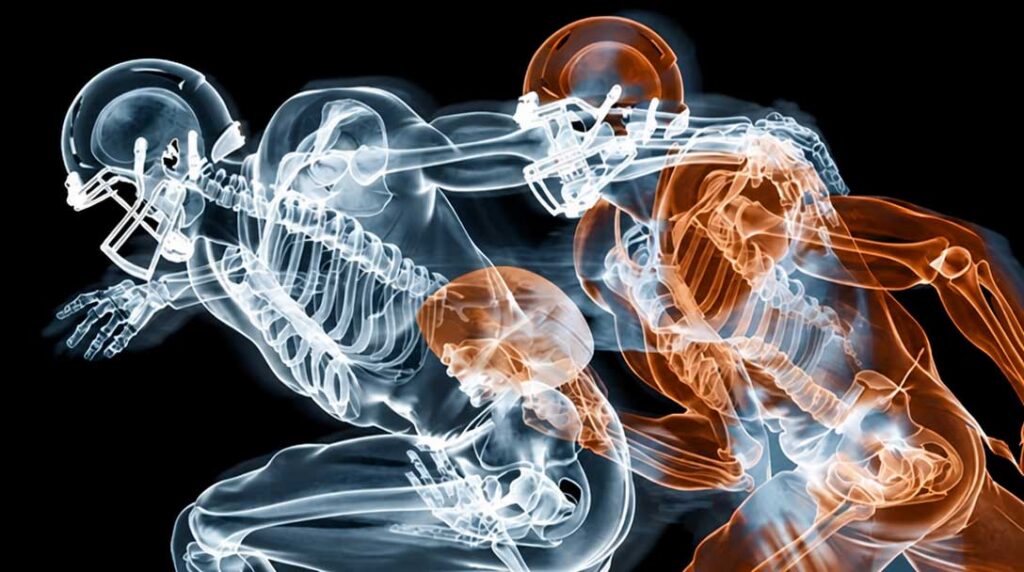
Years on the football field can leave a lasting legacy in the form of knee, hip, shoulder and back problems. For former players, managing pain while maintaining strength, mobility and independence can become an important part of life after the game.
Regenerative medicine has attracted growing interest as a potential option for some musculoskeletal conditions. But what do these treatments actually do? What does the research support? And how can patients distinguish a promising medical approach from an exaggerated marketing claim?
In this extended interview, Dr. Steve Sampson, a board-certified physician in physical medicine and rehabilitation who specializes in orthobiologics, discusses platelet-rich plasma (PRP), bone marrow and other approaches being used or studied for musculoskeletal pain.
He also addresses the role of metabolic health, the importance of movement, the realities of cost and the questions every patient should ask before proceeding.
The central takeaway: Regenerative medicine may help some patients improve pain and function, but results vary, the evidence differs by condition, and no treatment should be presented as a guaranteed cure.
Read the full conversation below, then use the patient checklist to prepare for a discussion with your own physician.
About Dr. Steve Sampson
Dr. Steven Sampson is a board-certified physician in physical medicine and rehabilitation and a former Assistant Clinical Professor of Medicine at the David Geffen School of Medicine at UCLA. He is the founder and medical director of Sampson Regen Regenerative Medical Center in Los Angeles, where he specializes in non-surgical treatments for sports injuries, spine conditions, and arthritis, including regenerative medicine and orthobiologic therapies.
An early pioneer in the clinical use of platelet-rich plasma (PRP) for orthopedic conditions, Dr. Sampson has authored more than 40 peer-reviewed publications and textbook chapters. In 2007, he founded The Orthobiologic Institute (TOBI), an international physician education organization whose annual conferences and hands-on training programs have reached physicians from more than 80 countries. He is also a co-founder of the Ortho Healthspan Alliance, a physician-led network focused on advancing regenerative orthopedics and musculoskeletal health.
The Basics
Q: How would you describe regenerative medicine in plain English?
Dr. Sampson: The human body is remarkable and can repair itself. When you get a cut, it bleeds, releases clotting factors and swells before the tissue heals. We use the body’s own cells and tissues, from blood, bone marrow, fat or birthing tissue, to replicate that healing process and coordinate self-repair.
The cells and tissues are used in treatments directed at painful joints and tendons, typically with image guidance. We can also use machine-based energy, such as sound waves or light therapy, to stimulate the body’s own cells.
Q: What are the main types of regenerative medicine treatments, and how do they differ?
Dr. Sampson: The most common approach in the United States uses your own cells, processed the same day and injected under image guidance.
- PRP (platelet-rich plasma): Your blood is spun to concentrate platelets and plasma, which carry growth factors that may help reduce pain and inflammation.
- Bone marrow concentrate: Marrow is taken from the back of the hip and concentrated. It contains growth factors and other biological components that may have anti-inflammatory effects.
- Fat tissue: Fat from the abdomen or flanks contains tissue and associated biological components being studied or used for their potential effects on pain and inflammation.
Another category involves cells or tissues from another person. These products raise different regulatory questions from treatments using your own blood or tissue. Patients should ask exactly what is being used, how the product is regulated and whether its use is authorized for their particular condition.
Q: Where does the evidence stand?
Dr. Sampson: Of the orthobiologic treatments, PRP has the strongest evidence. There are high-quality, peer-reviewed studies supporting its use for certain conditions, including mild to moderate knee arthritis and tennis elbow. There is also evidence supporting its use for conditions such as plantar fasciitis and pain on the outside of the hip.
PRP does not regenerate cartilage, but studies have examined its potential effects on cartilage health and the progression of joint disease.
Bone marrow concentrate is another area of interest. A long-term study in Paris followed 140 patients with severe arthritis in both knees. One knee received a replacement, while the other received bone marrow cells injected into the joint and bone. After approximately 15 years, the study reported comparable outcomes between the treated knees, with a quicker recovery associated with the injected knees.
That study, published in International Orthopaedics in 2021, reported that 18% of the injected knees eventually required replacement. It is an important long-term observation, but it comes from a single research group and should not be interpreted as proof that bone marrow treatment is equivalent to knee replacement for all patients.
Much of the remaining literature is still developing. Patients considering treatments offered outside the United States should be particularly careful about relying on anecdotes when robust clinical evidence is lacking.
Joints and Metabolic Health
The following questions explore how overall health may influence recovery. For more information about diabetes itself, see our American Diabetes Month feature.
Q: How do high blood sugar and insulin resistance affect healing?
Dr. Sampson: Think of gardening. You want good soil, or nothing grows. By the time patients come to us, they have already failed to heal. Elevated blood sugar or insulin resistance makes it harder for the body to heal and respond, and if there is too much inflammation, it may not respond as well to treatment.
These injections are intended to stimulate a healing response. Getting your blood sugar down and improving your insulin response is an important foundation for healing.
Q: Do you look at weight before treating?
Dr. Sampson: We do. Our office uses a scanner that measures visceral fat and muscle mass. We treat the whole person. These cells are not magic pixie dust. You need to optimize the patient and select the right candidate.
If a patient is significantly overweight, we emphasize weight loss. Reducing excess weight can decrease the mechanical load on weight-bearing joints, particularly the knees. A key point I always emphasize to my patients is that for every pound you lose, it is four pounds of pressure off your knees. Knee arthritis is the most common problem we see in the clinic, so that is a huge impact.
Football Bodies
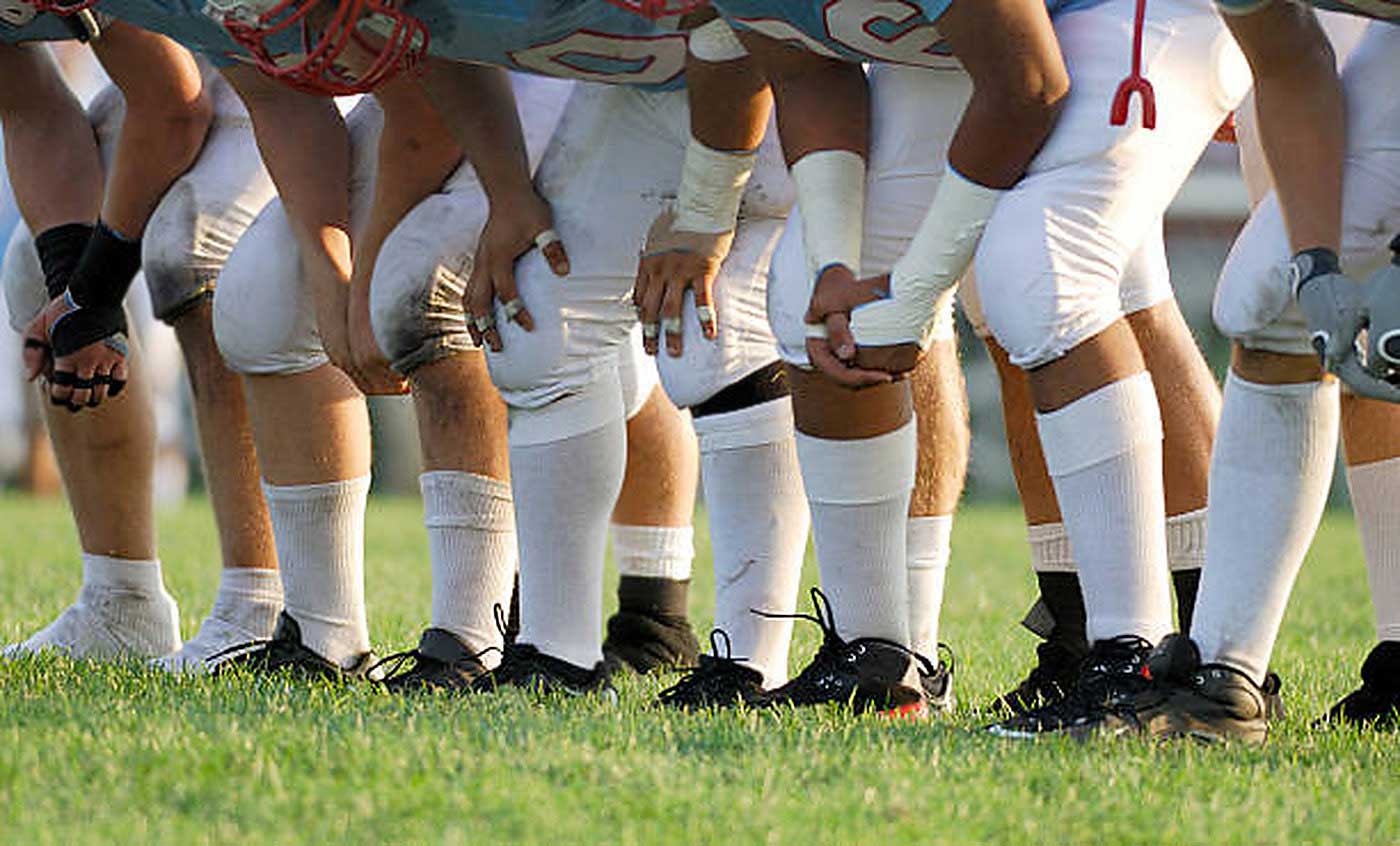
Q: What do you see in athletes who played contact sports for years?
Dr. Sampson: These warrior athletes are much like the veterans and soldiers we have treated, and there is a physical and a mental side.
Mentally, they are used to being strong, and when they are injured, they struggle with that identity. Without exercise, some become irritable or foggy. There is also a culture where athletes do not talk about pain because it seems like weakness. They will rarely say they are in pain. They call it discomfort.
Physically, a knee ligament or meniscus injury raises your risk of arthritis later. So, these patients often present in their 30s and 40s with arthritis you would expect in a senior. It is important to start treatment earlier rather than later.
Q: What should younger athletes watch for?
Dr. Sampson: The body gives you feedback. If you have a constant ache, limited mobility or swelling in a joint that is not going away after a couple of months, it is asking for help. See a doctor, get an MRI if appropriate, and go over your options. Intervening early is critical.
Dr. Sampson observes that active patients often respond better to treatment than sedentary patients, even with more advanced degeneration. Treatment decision, however, should always be based on an individual’s diagnosis and circumstances.
What to Expect

Q: What results can a patient realistically expect, and how long will it take?
Dr. Sampson: Results vary by patient, diagnosis, treatment and practitioner. These treatments do not work immediately. It took years to develop the problem, and it will take weeks to months to improve it.
Expect up to about four weeks to feel a difference, and up to 12 weeks, with improvement that can continue through the year. For the first two or three days the treated area may feel worse, then it settles and you may have good days and bad days as part of the natural healing process.
In our registry, PRP typically helps for one to two years, and bone marrow and fat, when effective, usually last two to five years. This is not a cure, and we are not regenerating the joint. We are aiming to improve pain and function, and some patients return for additional treatment.
These timelines reflect Dr. Sampson’s reported clinical experience and should not be interpreted as expected or guaranteed outcomes for every patient.
Q: How can alumni and fans spot clinics that overpromise?
Dr. Sampson: It is a bit of the Wild West. Any ad that promotes cartilage regeneration or a guaranteed outcome is making a false claim. Make sure the doctor specializes in this, uses image guidance and does not rush you.
Patients should ask what the treatment contains, what evidence supports its use for their diagnosis, what risks are involved and what alternatives are available. Be cautious of marketing that promises a cure or discourages you from discussing treatment with your regular physician.
Q: What about cost and insurance?
Dr. Sampson: For the average patient with health insurance, these treatments are considered experimental for many indications, so patients pay out of pocket. Workers’ compensation and personal injury cases may cover PRP in some circumstances.
Coverage varies by treatment, diagnosis and insurance plan. Patients should confirm benefits and obtain a written estimate before proceeding.
Before You Say Yes: A Patient Checklist
Before considering a regenerative medicine procedure, ask the physician:
- What is my specific diagnosis, and why do you recommend this treatment?
- What exactly will be injected, and where does it come from?
- What clinical evidence supports its use for my condition?
- Will ultrasound or fluoroscopic guidance be used?
- What complications or side effects should I understand?
- What are the alternatives, including conventional treatments?
- What outcomes are realistic, and how long might improvement take?
- How much does the complete treatment cost, and what might insurance cover?
- What training and experience do you have with this specific procedure?
- Can I discuss the recommendation with my regular doctor or seek a second opinion?
Credentials: Dr. Sampson notes that there is no single credentialing body for the entire field. Organizations offer training and certification in interventional orthobiologics, but no one credential guarantees that a treatment is appropriate or effective for every condition.
Bring your primary care physician or treating specialist into the decision and be cautious if a clinic discourages that conversation.
For the Families
Q: November is Family Caregivers Month. What advice do you have for caregivers?
Dr. Sampson: Encourage your loved one to see a regenerative medicine provider and find out what is available. Medicine has advanced since they last saw a physician, and there may be another approach beyond the classic pain medications and steroids.
See a respectable provider and understand your options. The key is getting the patient moving again, and even a consultation is worthwhile.
For caregivers: A consultation is an opportunity to ask questions, not a commitment to treatment. Use the checklist above and see our related Family Caregivers Month feature.
Closing
Q: What is one thing you wish every former player knew about their options?
Dr. Sampson: It is not just about getting back on the field as quickly as possible. Your body is your temple and your investment. You get one body, and the decisions you make about taking care of it influence the rest of your life.
If you are just getting cortisone injections to knock out the pain, and you are not addressing what your body is signaling, it can lead to further problems. How you take care of your joints as an athlete paves the way for when you are in your 50s and 60s and want to stay active.
Editorial and Medical Disclaimer
This interview has been edited for length and clarity. Dr. Sampson’s views are his own and do not necessarily represent the views of NFL Alumni Health. Evidence varies by condition and treatment, and outcomes are not guaranteed. This material is for educational purposes only and is not medical advice or an endorsement of any treatment or provider. Consult a qualified physician before making treatment decisions.
Disclosure: Dr. Sampson owns and leads Sampson Regen, founded TOBI, and is a founder of the Ortho Healthspan Alliance, a physician-owned business organization whose member practices are shareholders. TOBI co-hosts its annual conference with the Interventional Orthobiologics Foundation, whose president is also an Alliance founder, according to the Alliance’s website. NFL Alumni Health receives no payment or other benefit from Dr. Sampson or these organizations.
Highlights from the November 2026 Newsletter:
- Playing the Long Game: The Retired Athlete’s Playbook for Regenerative Medicine
- Dr. Steve Sampson: 5 Questions About Regenerative Medicine
- Regenerative Medicine for Football Bodies: What Works, What Doesn’t, and How to Tell
- American Diabetes Month: What Every Alumnus Should Know
- Family Caregivers Month: Behind Every Player Is a Support Team
- JOIN THE HUDDLE: Free Newsletter Sign-Up