By Carolé Dacey-Young | NFL Alumni Health NFL Alumni Health Perspective
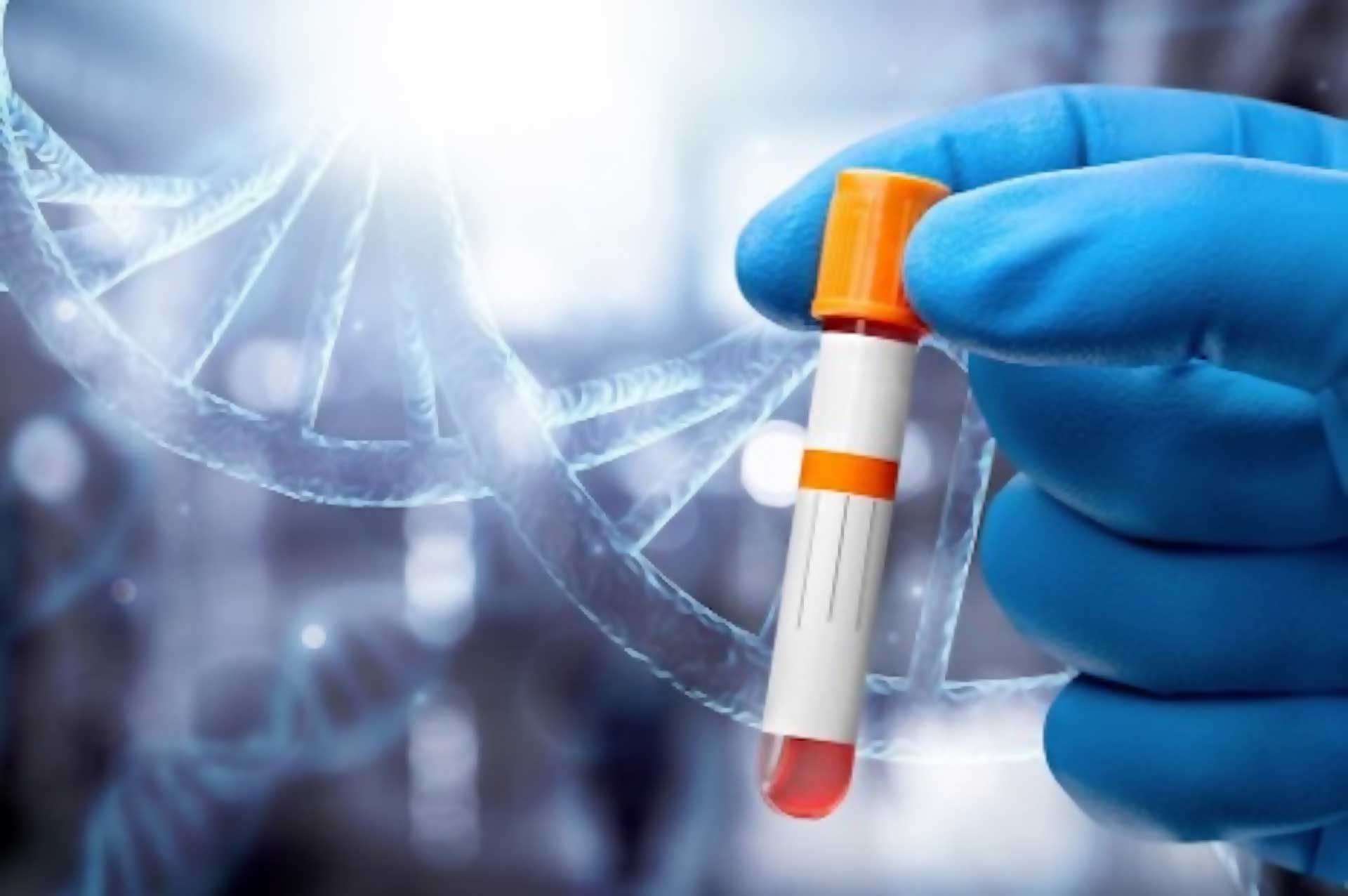
October 14 is Stem Cell Awareness Day — a chance to understand where regenerative medicine stands today, where the science is headed, and what former athletes should know before considering treatment.
“We are all aging. But life is a sport, and everyone is an athlete.” That was Dr. Bob Harman’s message when he spoke to the NFL Alumni San Diego Chapter earlier this year, and it’s a fitting way to think about this field. For former NFL players, the effects of years of training, competition, injuries, and surgery can follow you long after the final whistle — joint pain, arthritis, soft-tissue injuries, and the everyday toll of an athletic career. At the same time, regenerative medicine and cell-based therapies are among the most rapidly developing areas of modern medicine.
But there’s an important distinction: promising does not mean proven. Some cell-based therapies are being studied in carefully controlled clinical trials. Others are already established treatments for specific medical conditions. And some treatments marketed at clinics — particularly outside established regulatory pathways — haven’t been adequately shown to be safe or effective. Understanding that distinction is where NFLAH’s work in this space starts.
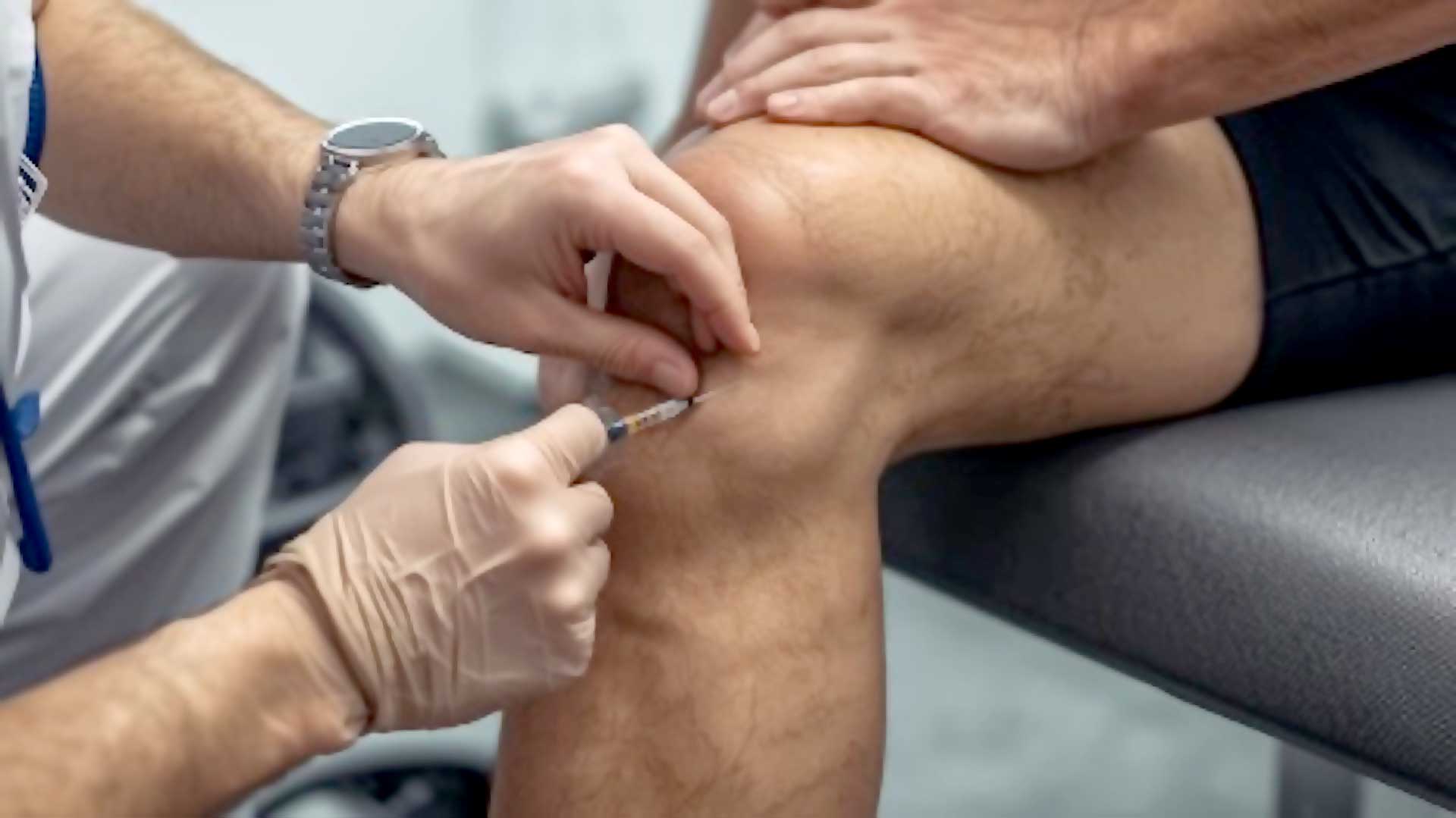
So, What Exactly Are Stem Cells?
Stem cells are cells with the ability to develop into certain specialized cell types and, depending on the type, to self-renew and produce additional cells. Researchers are studying different types of stem cells for their potential role in repairing or replacing damaged tissue, regulating inflammation, and supporting the body’s healing processes.
Some therapies use a patient’s own cells (autologous); others use cells from a donor (allogeneic). Cells may come from sources including bone marrow, adipose (fat) tissue, and umbilical cord blood — but the source, how the cells are processed, how they’re delivered, and the condition being treated all matter. There is no single “stem cell treatment” that works the same way for every condition.
The FDA currently regulates regenerative medicine products, including stem cell products. In the U.S., FDA-approved stem cell products are primarily blood-forming stem cell products derived from umbilical cord blood, for specific disorders affecting blood production. Stem cell products marketed for orthopedic, neurologic, and other conditions generally require FDA approval or appropriate authorization for clinical investigation.
Why Should NFL Alumni Care?
The appeal is obvious: many alumni are looking for ways to stay active and manage the physical consequences of their playing careers, and regenerative medicine is being studied for conditions involving joints, cartilage, muscle, bone, and a number of neurological conditions. But this is precisely where caution matters.
Being described as “regenerative,” “stem cell,” “biologic,” or “orthobiologic” does not by itself establish that a treatment is safe or effective for a particular condition. The FDA specifically warns that regenerative medicine products marketed for conditions like osteoarthritis, back pain, knee pain, shoulder pain, and neurological disorders have not generally been approved for those uses — and the agency has reported serious adverse events associated with some unapproved products, including infections, blindness, and tumor formation.
For NFL Alumni, the goal isn’t to chase the next big thing. It’s to understand the science well enough to ask the right questions.
NFLAH’s Regenerative Medicine and Cell Therapy Advisory Committee
That’s one reason NFLAH established its Regenerative Medicine and Cell Therapy Advisory Committee. The 16-member committee brings together physicians, researchers, and NFL Alumni leadership to help the organization understand this rapidly evolving field and give alumni access to credible, evidence-informed information. The committee includes experts such as NFLAH Medical Advisor Dr. Jaime Garza, Dr. Joanne Kurtzberg of Duke University, Dr. Joshua Hare of the University of Miami, Dr. Anthony Atala of Wake Forest, and NFL Alumni’s Billy Davis and Kyle Richardson, among others.
The objective is straightforward: help alumni understand legitimate regenerative medicine — and recognize the warning signs of unproven treatment. For a population that may be actively seeking alternatives to surgery, pain medication, or repeated procedures, that distinction matters.
The Marcus Foundation Connection
One of the most important early connections for NFLAH’s regenerative medicine work is its relationship to the Marcus Center for Cellular Cures at Duke University. Committee member Dr. Joanne Kurtzberg is Director of the Center, a Duke University School of Medicine and Pratt School of Engineering initiative supported by the Marcus Foundation, founded by Bernie Marcus.
The Center brings together physicians, scientists, and engineers to develop and translate cellular and biological therapies for diseases and injuries that currently lack effective treatments, including conditions involving the brain and nervous system, stroke, spinal cord injury, traumatic brain injury, multiple sclerosis, and joint disease. That connection matters to NFLAH because it puts alumni in closer proximity to academic medicine, clinical research, and the scientific process behind emerging cell-based therapies — and it underscores a broader principle: the future of regenerative medicine will be built through research, clinical trials, and evidence, not marketing promises.
Voices From the Field
Earlier this year, the NFL Alumni San Diego Chapter hosted a medical education session titled “Stem Cells — The Good, the Bad and the Ugly,” presented in collaboration with Personalized Stem Cells. The discussion brought together several perspectives on the opportunities and challenges surrounding regenerative medicine.
Dr. Bob Harman, DVM — CEO and Chief Science Officer of Personalized Stem Cells (PSC), is both a researcher and a stem cell patient. During his presentation, he discussed the potential of patient-derived cells, the research underway in knee osteoarthritis, and the importance of understanding the difference between legitimate clinical research and unregulated treatment. His message was equally clear about the risks: patients should be cautious about clinics making sweeping promises about regenerative medicine, particularly when treatments are offered outside established U.S. regulatory and clinical-trial pathways.
“Life is a sport, and every one of us is an athlete. The goal of regenerative medicine is to keep you in the game — safely, using your own cells, not someone else’s.” — Dr. Bob Harman
Dr. Jaime Garza, DDS, MD — NFLAH’s own Medical Advisor and Director of Human Regenerative Cell Trials at Tulane, brings another important perspective. Having seen both the potential and the limitations of the field, Dr. Garza frames the question for former players not as whether regenerative medicine is exciting, but whether a particular treatment has credible evidence behind it, appropriate regulatory oversight, and a reasonable role in an individual’s care.
“For former players, regenerative medicine isn’t about chasing a trend — it’s about giving guys evidence-based options before they end up on an operating table.” — Dr. Jaime Garza
Dr. Steve Sampson, DO — a board-certified physiatrist and founder of Sampson Regen, a Los Angeles medical practice specializing in advanced nonsurgical treatments for musculoskeletal injuries. A recognized leader in the field of orthobiologics, Dr. Sampson is also the founder of The Orthobiologic Institute (TOBI), an internationally respected educational organization advancing the science and clinical application of orthopedic regenerative medicine. He has lectured and published extensively on platelet-rich plasma (PRP), bone marrow, adipose, and stem cell therapies, helping shape the role of regenerative medicine.
“Staying active and pain-free is essential to long-term health and vitality for retired professional athletes. Orthobiologic therapies have gained recognition in sports medicine as a minimally invasive option for injuries. Cellular therapies offer promise, but patients should understand the potential risks and benefits and seek experienced physicians who practice within appropriate regulatory guidelines.” — Dr. Steve Sampson
What About Clinical Trials?
This is where the distinction between research and treatment matters most. A clinical trial is designed to answer specific questions about a therapy — including whether it’s safe, how it should be administered, and whether it actually works for a particular condition. The fact that a treatment is being studied does not mean it has been proven effective.
For example, Personalized Stem Cells reports results from an FDA-authorized Phase 1/2a clinical trial of an investigational adipose-derived cell therapy for knee osteoarthritis: 79.3% of participants improved by at least the study’s predefined minimal important change at one year. These are study findings from an investigational therapy — not evidence that stem cell treatment is an established, FDA-approved treatment for knee arthritis. That distinction is essential when evaluating any regenerative medicine claim.
Know Before You Go: The Right to Try Act
You may have heard about the federal Right to Try Act, passed in 2018 — but it’s worth understanding what the law actually does. Right to Try provides a pathway for certain patients with life-threatening diseases or conditions who have exhausted approved treatment options and cannot participate in a clinical trial to seek access to certain eligible investigational drugs or biological products. The investigational product must meet specific federal criteria, including completion of a Phase 1 clinical trial and an active FDA investigational pathway — the law does not mean any stem cell treatment can be purchased or administered simply because a patient invokes “Right to Try.”
For most alumni considering regenerative medicine for an orthopedic or sports-related condition, the right starting point remains a conversation with a qualified physician about established treatment options and, where appropriate, legitimate clinical trials.

The Red Flags: When to Step Back
The FDA continues to warn consumers about unapproved regenerative medicine products and clinics. Be cautious when a provider:
- Promises to “cure” multiple unrelated diseases or conditions
- Claims a treatment is FDA-approved without naming the specific product, indication, and approval
- Suggests that because the cells come from your own body, the treatment is automatically safe or legal
- Uses testimonials instead of clinical evidence to demonstrate effectiveness
- Offers treatment outside an appropriate clinical-trial or regulatory pathway
- Pressures you to travel outside the United States for a treatment not available through established U.S. medical care
- Can’t clearly explain the source of the cells, how they’re processed, how the treatment is regulated, and what evidence supports its use
These concerns aren’t theoretical. The FDA has continued to issue warnings about companies marketing unapproved cell and exosome products, including warnings in 2026 involving products promoted for musculoskeletal, neurological, and other conditions.
A Former Player’s Guide to Asking the Right Questions
If regenerative medicine comes up as part of your care, start with questions, not promises. Ask your doctor:
- What exactly is being treated? What’s the diagnosis, and is there good evidence this therapy helps that condition?
- What exactly is the product? What type of cells or biological material is being used, and where do they come from?
- Is it FDA-approved for this specific use? If not, is it part of an FDA-authorized clinical trial or another legitimate regulatory pathway?
- What does the research actually show? Ask to see published clinical evidence, not just testimonials or marketing materials.
- What are the risks? Every medical intervention has potential risks — ask about both known and uncertain ones.
- What are my alternatives? Understand the established treatments available for your condition, including nonsurgical options, rehab, medication, injections, or surgery when appropriate.
- What happens if it doesn’t work? A credible provider should be willing to discuss uncertainty and alternatives.
- What happens if there is a reaction to the treatment? Who will be my doctor and how do I get help, especially if I get treated offshore?
The Bottom Line
Regenerative medicine is a field worth watching. For NFL Alumni, it may eventually contribute to new approaches for some of the injuries and conditions that have affected players throughout their careers — researchers are actively studying cell-based therapies for orthopedic conditions as well as neurological injuries and disease. But the most important word right now is research.
The science is moving. The questions are evolving. NFLAH believes alumni deserve access to information that helps them tell legitimate scientific progress apart from claims that have gotten ahead of the evidence. That’s why NFLAH’s work in regenerative medicine begins with education, expert guidance, and a commitment to evidence.
Don’t chase the promise. Understand the science. Before considering any stem cell or regenerative treatment, talk with your physician, understand the evidence, and make sure you know exactly what you’re being offered.
Learn More
- NFL Alumni Health — learn more about NFLAH’s Regenerative Medicine and Cell Therapy Advisory Committee and its work to educate alumni about emerging health and medical science.
- U.S. Food & Drug Administration — FDA information on regenerative medicine and stem cell therapies: what’s approved, what’s investigational, and what consumers should know.
- Duke Marcus Center for Cellular Cures — ongoing research into cellular and biological therapies at Duke University.
Medical disclaimer: This article is intended for educational purposes and is not medical advice. Regenerative medicine and cell-based therapies are rapidly evolving, and treatment options and evidence may change. Individuals should discuss their specific medical circumstances with a qualified healthcare professional.
Highlights from the October 2026 Newsletter:
- Know Your Risk: Breast Cancer Awareness Month and the NFL Family
- NFL Family Members Who’ve Faced Breast Cancer
- Reaching the Women in Alumni’s Lives
- Resources for Breast Cancer Screening & Support
- Life Is a Sport: Stem Cell Awareness Day and NFLAH’s Regenerative Medicine Work
- Inside the Huddle: Three Voices in Regenerative Medicine
- Know Before You Go: The Right to Try Act
- Clean Out the Cabinet: National Prescription Drug Take Back Day
- JOIN THE HUDDLE: Free Newsletter Sign-Up