By Carolé Dacey-Young | NFL Alumni Health
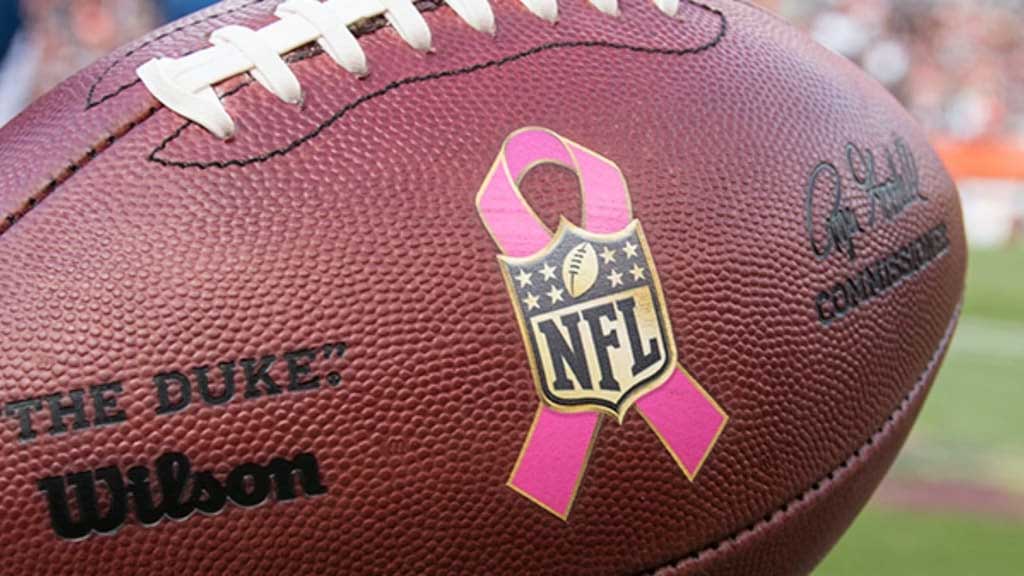
Football players know what it means to face something bigger than themselves — a championship opponent, a career-altering injury, a comeback nobody expected. Breast cancer asks something similar of the people who love you: it doesn’t wait for the off-season, and it doesn’t care how tough anyone is. This October, NFLAH is asking every alum to show up for that fight the same way the people in their lives have shown up for them — for decades, on and off the field.
About 1 in 8 women in the U.S. will develop invasive breast cancer in her lifetime, and early detection remains the single biggest factor in survival (American Cancer Society). Behind that number are mothers, wives, and daughters who have spent years in the stands. This month is about making sure they get the same fight they’ve always given you.
1 in 8 women in the U.S. will develop invasive breast cancer in her lifetime
321,910 estimated new invasive breast cancer cases in women in 2026
2,670 estimated new breast cancer cases in men in 2026
Source: American Cancer Society, 2026
The Team Behind the Team
Think about who was there through two-a-days, who packed up the house after every trade, who sat up through every injury and every offseason surgery. For most alumni, it wasn’t just one person — it was a mother who taught you to compete, a wife who held the family together through every uncertain season, a daughter who grew up watching you get knocked down and get back up. October is the month to show up for them the way they’ve always shown up for you.

If a woman in your life is facing breast cancer right now — as a patient, a caregiver, or in remission — she doesn’t need you to have the answers. She needs you to ask how she’s doing and mean it. Forward her this newsletter. Sit with her while she makes the appointment she’s been putting off. And if breast or ovarian cancer runs in your family, ask your doctor together about genetic counseling and BRCA1/BRCA2 testing — it’s a conversation every daughter deserves to have before she needs it.
If there’s a wife or partner of an alum who has faced this disease and is willing to share her story with the rest of the NFLAH family, we would be honored to feature her in a future issue. Her story could be the reason someone else catches it early.
Men Get It Too
Most men never think breast cancer could happen to them. That’s exactly what makes it dangerous — a lump gets dismissed, a change goes unmentioned, and by the time it’s taken seriously, more time has passed than anyone would like. Two men from the NFL family refused to stay quiet about it, and their willingness to speak up may be the reason another alum catches it in time.
Paul Dombroski spent his career blocking for others on the field. Off it, the former Tampa Bay Buccaneer faced a diagnosis most people never expect a man to hear. Rather than keep it private, he chose to speak publicly — through The Trust, the Male Breast Cancer Coalition, and local news outlets — so other men wouldn’t make the same mistake so many do: assuming it couldn’t happen to them. Takeaway: Don’t ignore a change in your body because it doesn’t fit the story you’ve been told about who gets breast cancer.
Tony Savage built his career in the trenches as an offensive lineman for the San Diego Chargers. When he was diagnosed with breast cancer and later learned he carried the BRCA2 gene mutation, he turned what could have been a private ordeal into a public mission — speaking openly about his diagnosis so other men, and their families, understand that genetic risk doesn’t check for gender. Takeaway: Know your family’s history. It might be the thing that saves your life — or your daughter’s.
Their willingness to speak up is the kind of leadership NFL Alumni have shown their whole careers. This month, it’s a reminder that the game plan for health includes everyone in the family — including the men who wore the jersey.
You’ve Seen It on Sundays
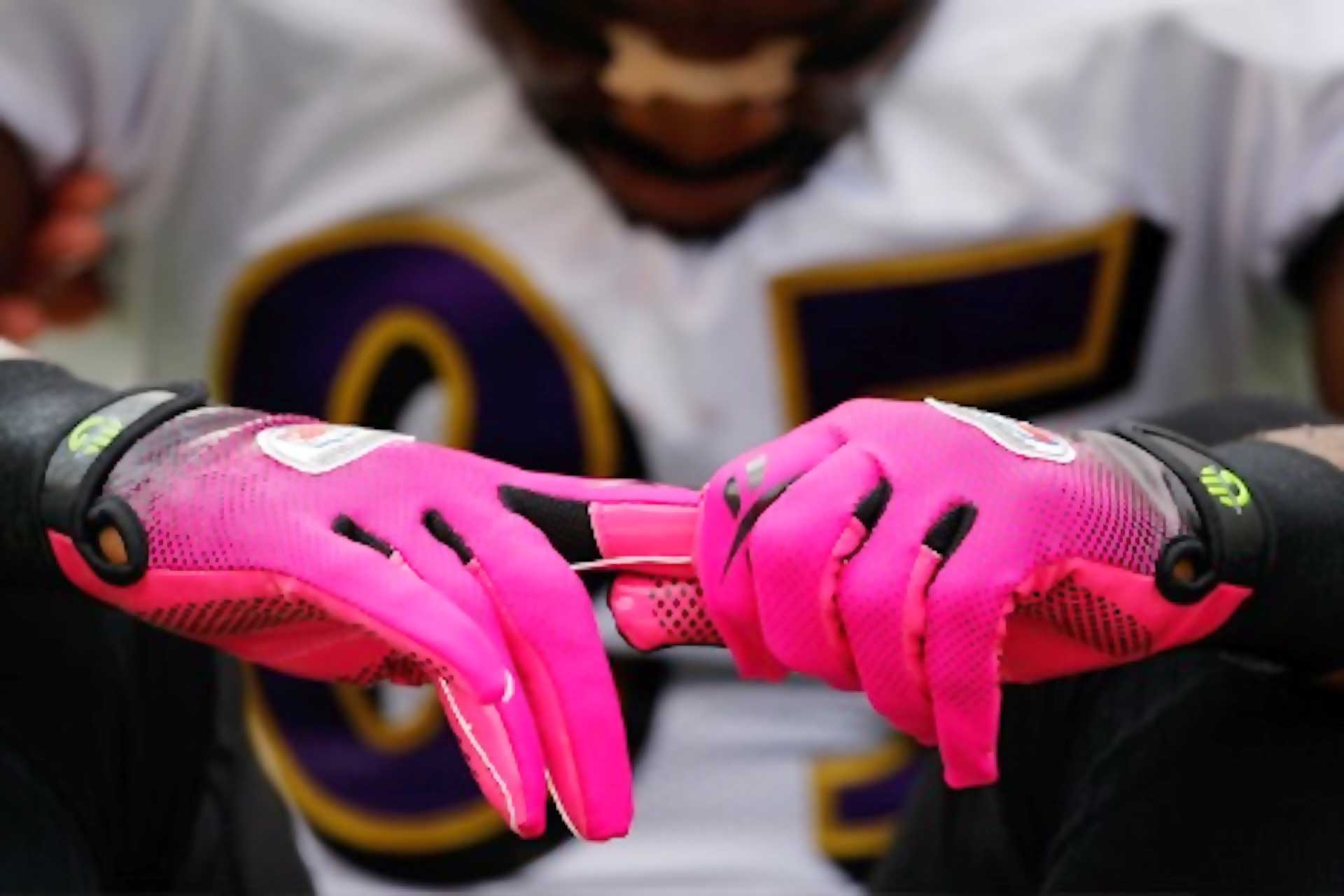
Every October, pink shows up across the league as part of NFL Crucial Catch, the NFL’s partnership with the American Cancer Society built around one goal: getting more people screened. It’s easy to see it as just another sideline detail. It isn’t. Behind every pink glove and cleat is the same message NFLAH is sending this month — get screened, and don’t wait.
Know Your Risk — A Quick Checklist
The strongest treatment is early detection, and early detection starts with a conversation you have today, not someday. You don’t need a diagnosis to start paying attention — talk to your doctor if any of the following apply:
- ☐ You’re 40 or older and haven’t had a mammogram in the last year.
- ☐ You have a family history of breast or ovarian cancer.
- ☐ You’ve noticed a lump, thickening, or nipple change — in yourself or a loved one.
- ☐ You don’t know your family’s genetic risk profile.
Resources for Breast Cancer Screening & Support
- American Cancer Society — free screening locators and support resources. cancer.org
- National Breast Cancer Foundation — education, early detection resources, and financial assistance programs. nationalbreastcancer.org
- Male Breast Cancer Global Alliance — support and awareness resources specifically for men. mbcglobalalliance.org
Don’t Wait for the Two-Minute Warning
You spent your career refusing to let the clock run out on you. Don’t let it run out on the people you love, or on yourself. Schedule your mammogram or make the call for someone who won’t make it for herself. Start the conversation with the women in your family this week, not “eventually.” And if you notice something isn’t right with your own body, treat it the way Dombroski and Savage did: worth getting checked, never worth ignoring.
Wear pink. Share this issue. Make the call. This month, be the teammate who shows up before it’s an emergency.
Highlights from the October 2026 Newsletter:
- Know Your Risk: Breast Cancer Awareness Month and the NFL Family
- NFL Family Members Who’ve Faced Breast Cancer
- Reaching the Women in Alumni’s Lives
- Resources for Breast Cancer Screening & Support
- Life Is a Sport: Stem Cell Awareness Day and NFLAH’s Regenerative Medicine Work
- Inside the Huddle: Three Voices in Regenerative Medicine
- Know Before You Go: The Right to Try Act
- Clean Out the Cabinet: National Prescription Drug Take Back Day
- JOIN THE HUDDLE: Free Newsletter Sign-Up