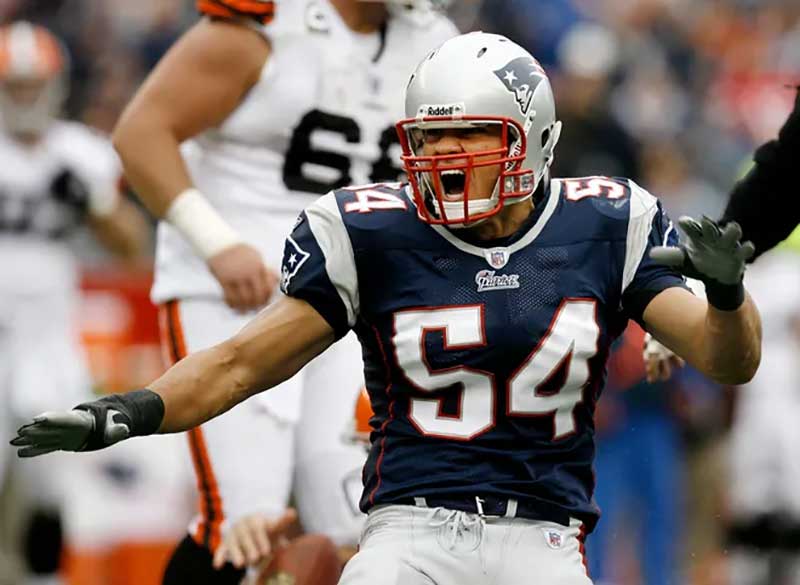
In February 2005, Tedy Bruschi was at the peak of his career — fresh off his third Super Bowl ring and his first Pro Bowl appearance.
At just 31, he woke with a crushing headache, numbness down his left side, and vision loss.
Like so many elite athletes trained to push through pain, he tried to shake it off.
What he experienced in that moment is exactly what B.E. F.A.S.T. is designed to catch — and what too many players miss because they’re conditioned to play through it.
Hours later, he learned he had suffered an ischemic stroke caused by a congenital heart defect he never knew he had.
The Comeback
Bruschi underwent surgery, fought through intense neurological rehab, and — in one of the most remarkable comebacks in NFL history — returned to play that same season.
He went on to play four more years and earned the NFL’s Comeback Player of the Year award.
Fourteen years later, when he experienced a transient ischemic attack (TIA), he and his wife Heidi recognized the symptoms immediately.
The difference the second time? Recognition. Immediate action. And a playbook his family knew how to run.
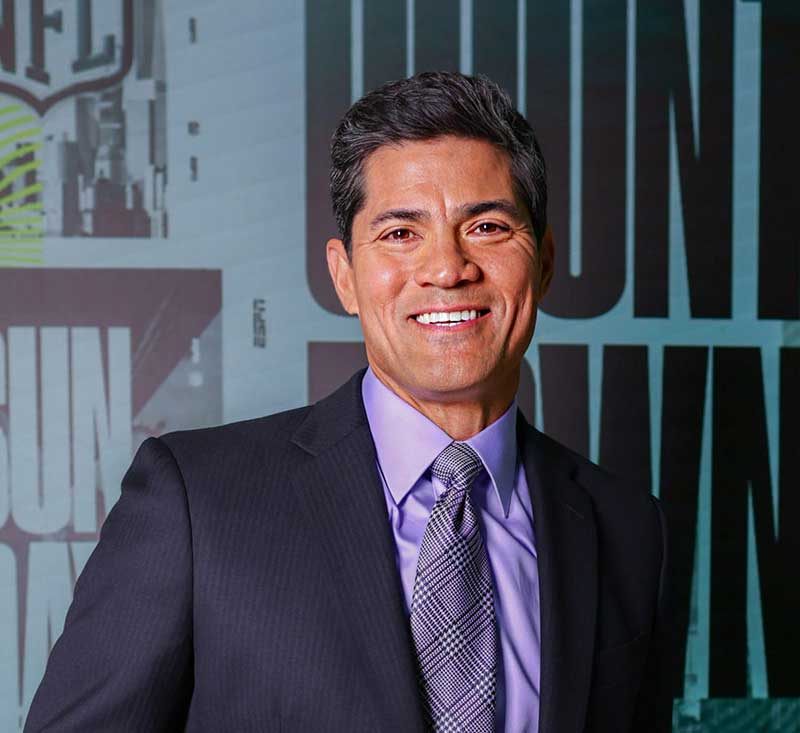
Today, through Tedy’s Team, the Bruschis have raised millions for stroke research and survivor support.
“I’m not tackling people anymore — now I’m defending myself against stroke.”
He’s Far From Alone
Tedy’s story isn’t an outlier — it’s a warning sign.
Former players across the league have faced strokes at unexpectedly young ages — often without warning:
- Henry Anderson (2022, Panthers): Suffered a stroke caused by a brain clot and returned to the field that same season
- Russell Allen (2013, Jaguars): Suffered a stroke during a game and retired at 27
- Chris Baker (2023, Washington): Survived a life-threatening stroke at age 35 and required emergency surgery
- Brett Perriman (2016, Lions): Endured a severe stroke caused by an aneurysm
- Claudy Mathieu (2021): Suffered a rare stroke at only 27
These aren’t isolated incidents.
They’re signals.
Highlights from the May 2026 Newsletter: