For years, poor sleep was often dismissed as just another consequence of playing football. Today, thanks to players who have shared their experiences and advances in sleep medicine, we know better.
Sleep disorders — especially obstructive sleep apnea — are common, treatable, and too important to ignore.
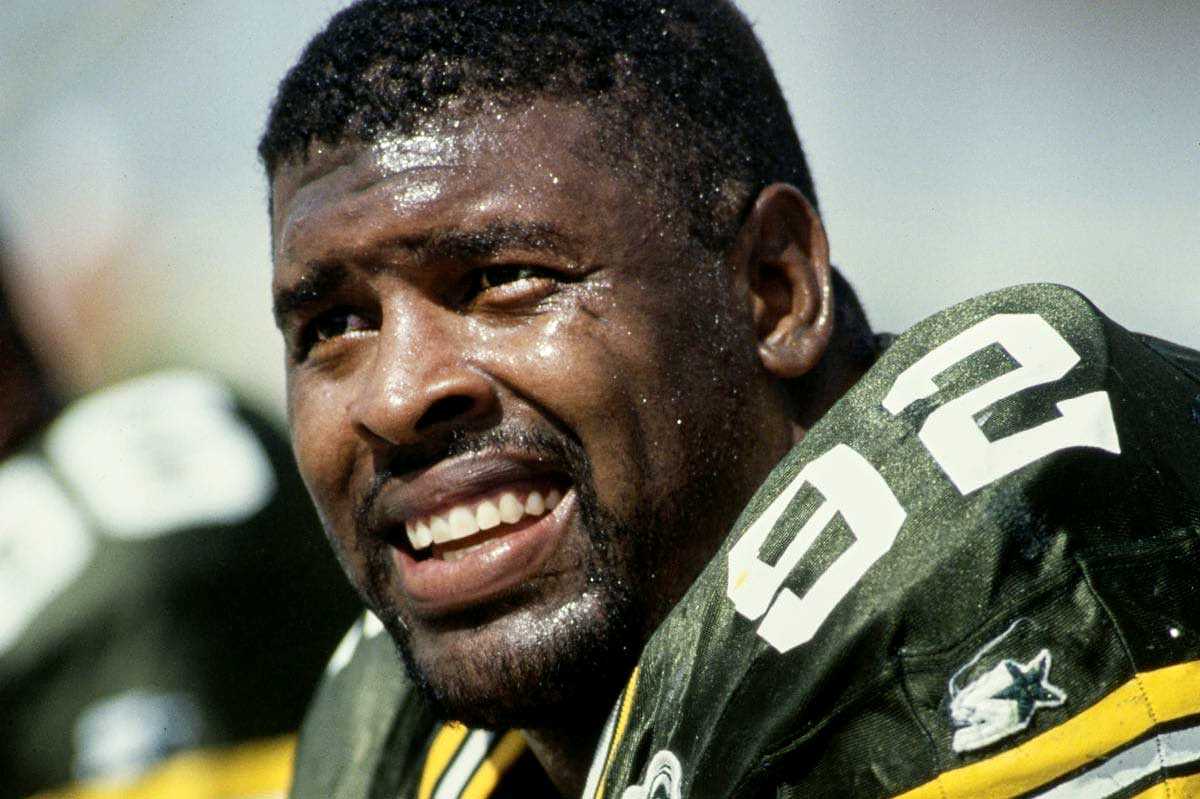
Reggie White: A Legacy That Raised Awareness
Hall of Famer Reggie White remains one of the greatest defensive players in NFL history. Following his passing in 2004, conversations surrounding his health helped bring national attention to obstructive sleep apnea and the importance of recognizing sleep disorders in athletes.
His legacy extends beyond football by reminding us that sleep health deserves the same attention as heart health, nutrition, and exercise.
Takeaway: Never ignore persistent snoring, daytime fatigue, or pauses in breathing during sleep.
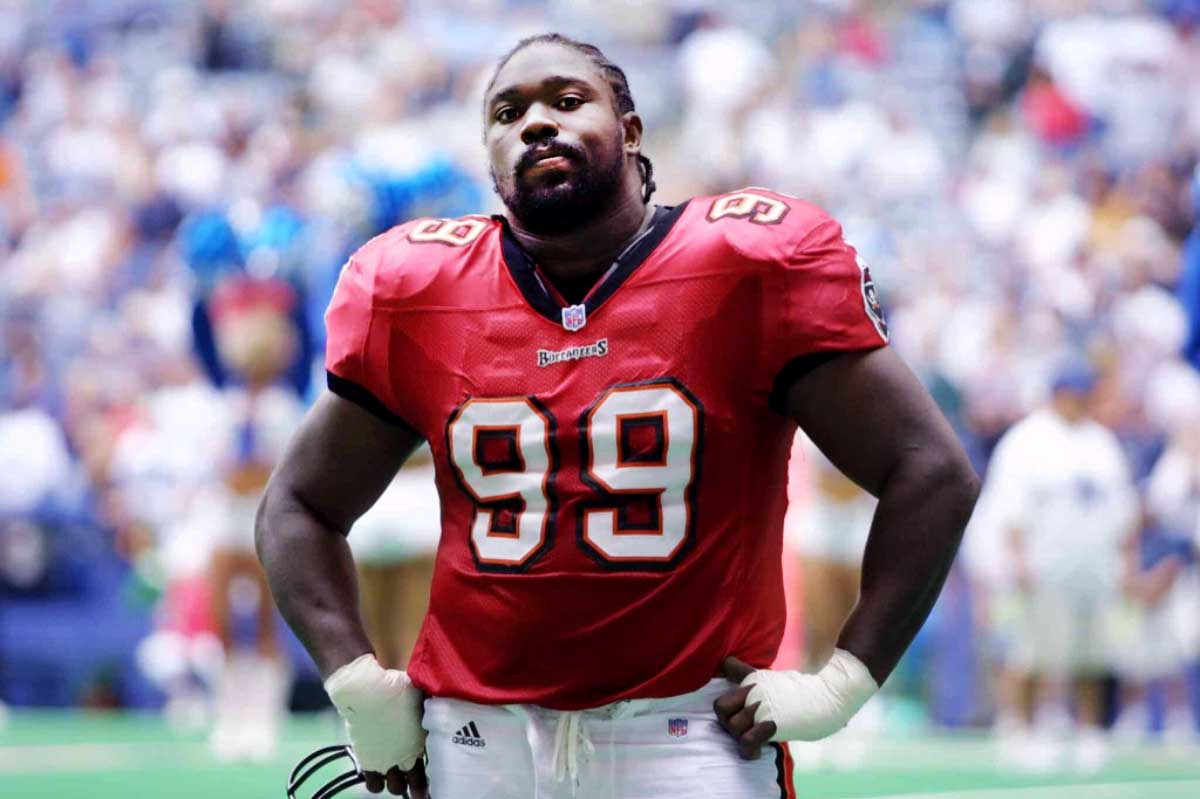
Warren Sapp: Getting Checked Is Part of Staying Healthy
Hall of Fame defensive tackle Warren Sapp has publicly discussed sleep apnea awareness and encouraged others to take symptoms seriously rather than simply accepting poor sleep as part of getting older.
His experience helped reduce the stigma around sleep evaluations and treatment.
Takeaway: Seeking help is another form of strength.
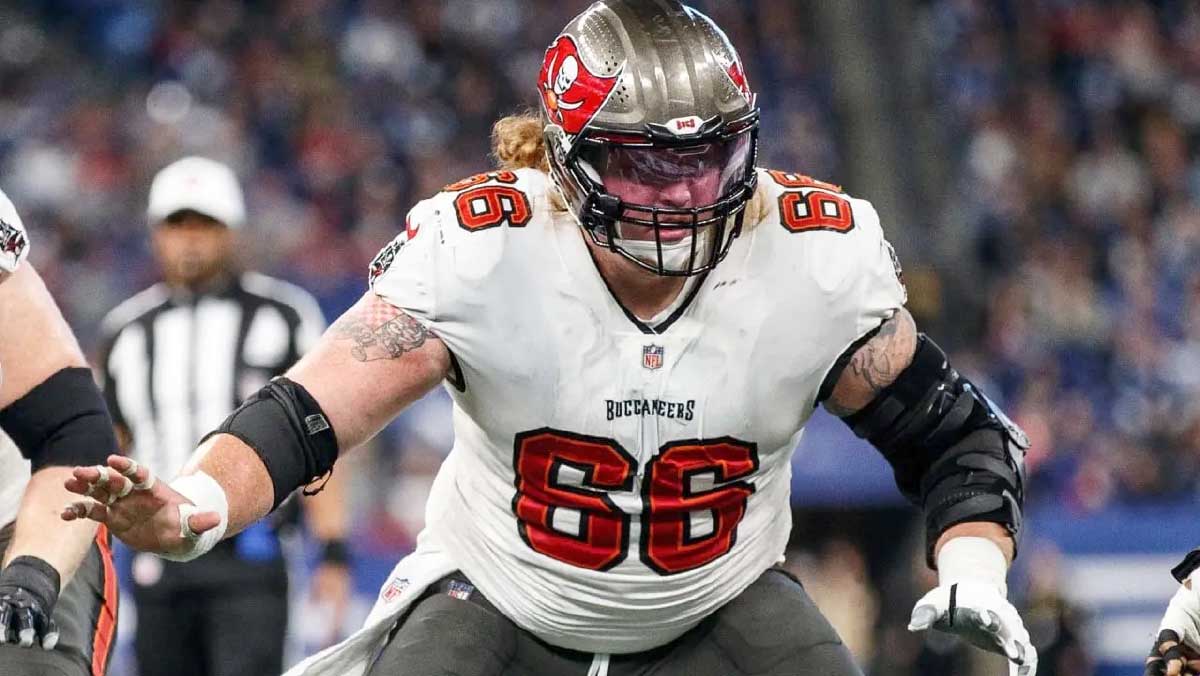
Ryan Jensen: Better Sleep. Better Performance.
Former NFL center Ryan Jensen has shared how treating his sleep apnea helped restore his energy after unexplained fatigue affected his performance.
His story reinforces what sleep specialists have long known: quality sleep is every bit as important to performance and recovery as training and nutrition.
Takeaway: If you’re exhausted despite getting enough hours of sleep, it may be time for a sleep evaluation.
The Common Thread
Whether you’re preparing for a championship season or enjoying retirement, your body performs best when it has the opportunity to recover.
Sleep is not a luxury. It’s part of the game plan for healthy aging.
Disclaimer: The information provided in this newsletter is for general educational purposes only and is not intended as medical advice. It should not be used to diagnose, treat, cure, or prevent any disease or health condition, and it is not a substitute for professional medical consultation. Always consult your physician or a qualified healthcare provider regarding any medical questions or conditions.
Highlights from the September 2026 Newsletter:
- Recovery Never Retires: The Hidden Power of Sleep After Football
- NFL Legends Share a Common Challenge
- Sleep & Recovery: By The Numbers
- Inside the Huddle with Dr. Audrey Wells
- Could You Have Sleep Apnea? A Self Assessment
- Resources for Former NFL Players
- September is Healthy Aging Month
- The Fall Reset
- JOIN THE HUDDLE: Free Newsletter Sign-Up