
NFL Alumni Health | November 2025 | Prostate Cancer
A New Playbook for Prostate Cancer Awareness
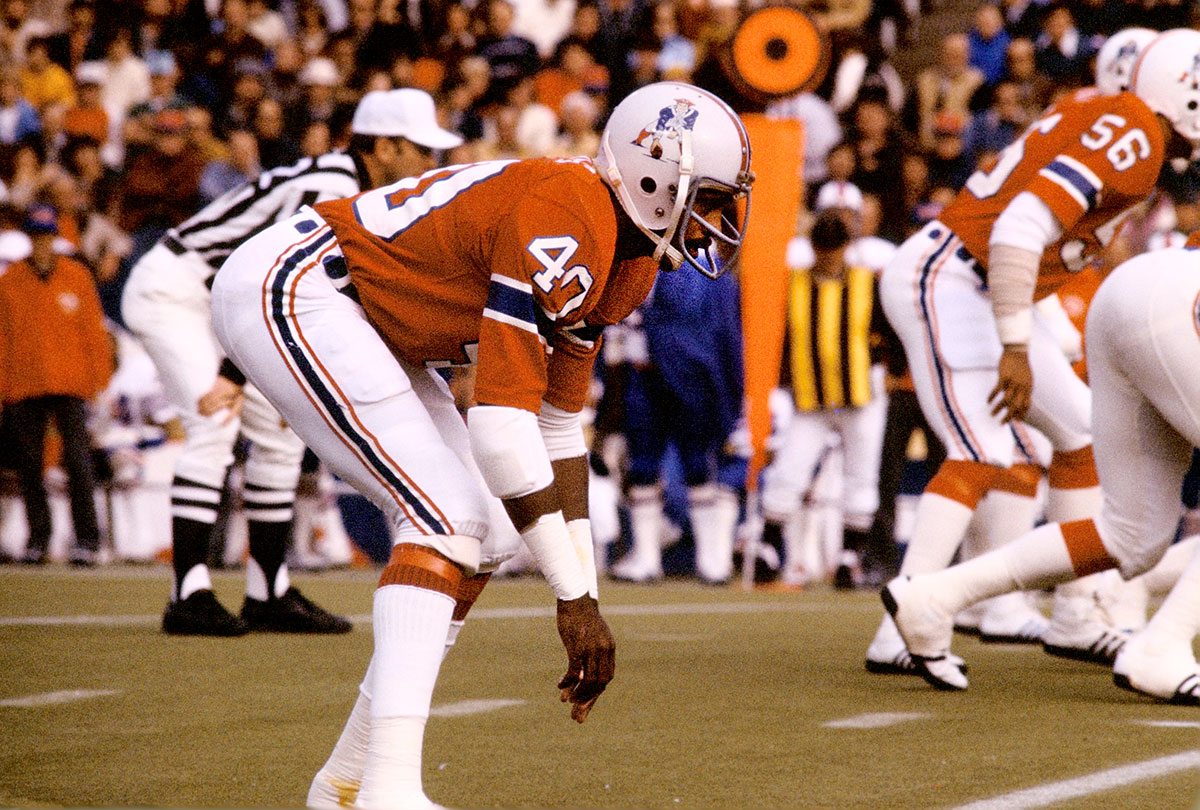
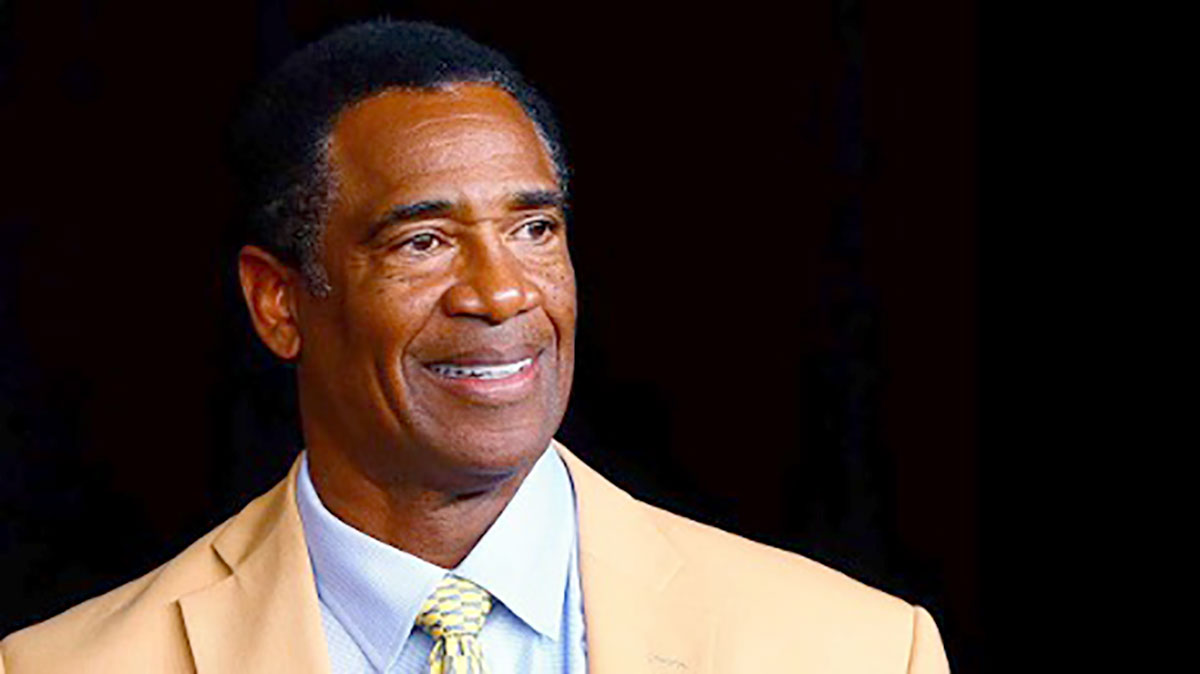
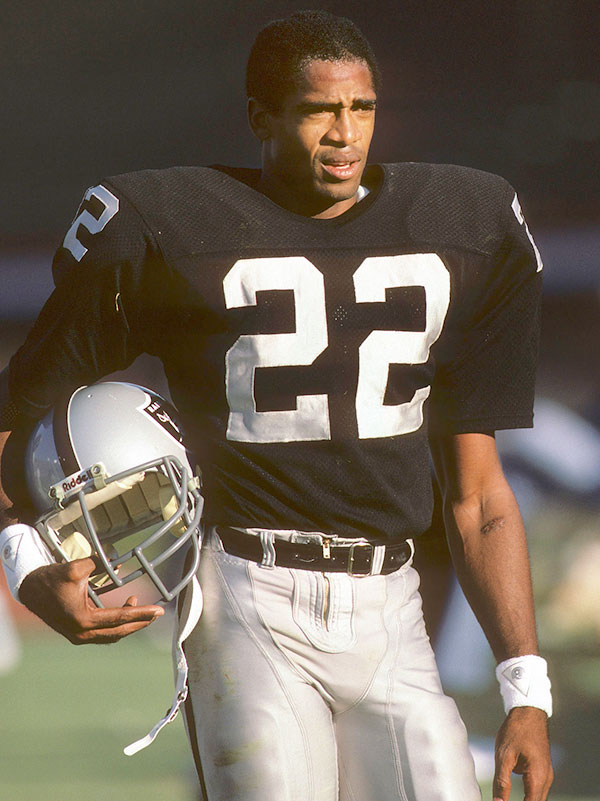 When teammates and alumni call Mike Haynes the “Godfather” of prostate cancer awareness, it’s not just a nickname—it’s a mantle. In the NFL Alumni community, that title means stewardship and accountability: the one who calls plays to keep everyone safe. Haynes has embraced this responsibility with quiet determination, making sure his peers—and the generations who follow—look out for themselves and one another, just like he did on the field for the Patriots and Raiders.
For more than 15 years, the Hall of Fame cornerback has lived this role with purpose. After facing prostate cancer himself, he became a trusted voice—urging teammates to get screened, calling friends directly, and mentoring fellow survivors. His advocacy has grown beyond the locker room, reaching families, fans, and communities who see in him not just a legend of the game—with nine Pro Bowls, 46 interceptions, and a Super Bowl ring—but a protector of men’s health.
“If it can happen to me—a Hall of Famer with no red flags—it can happen to anyone. Know your family history. Don’t wait—get screened.”
A Personal Interception
Haynes’ journey began serendipitously in 2008, at age 55, when he was working in the NFL’s player development department and tasked with checking on a free health screening event for retired players at the Pro Football Hall of Fame in Canton, Ohio. What started as a quick visit turned personal: an event staffer pulled him aside and said, “You need to get screened so the other guys will do it too.” Haynes, who admits he knew little about prostate health at the time, agreed to lead by example.
Seeing “PSA” on the form, he assumed it meant “personal service announcement”—a classic Haynes quip that still draws laughs when he shares it at awareness events. Instead, doctors explained it stood for prostate—specific antigen, a marker for prostate cancer. Despite having no symptoms or known family history, Haynes’ results were elevated—from about 2 to 3.5 over two years. His doctor, puzzled since Haynes had seemed healthy just months earlier, recommended a biopsy.
Unfamiliar with the procedure—which involves inserting an instrument to collect tissue samples—Haynes later joked, “Had I known what the biopsy involved, I probably wouldn’t have shown up.” The results were stark: Cancer was present in nine of the 12 samples. “I was really scared because I didn’t know a lot about prostate cancer,” Haynes recalled. As a Black man, the stats hit hard—his doctor (also Black, which made the conversation easier and more relatable) explained the disproportionate risks, noting that one in six Black men faces diagnosis in their lifetime, with twice the mortality rate compared to white men.
The diagnosis was a shock. But instead of retreating, he did what great players always do—he adjusted his game plan. Haynes underwent a radical prostatectomy in 2009, removing his prostate entirely, and he’s been cancer-free for over 15 years.
Post-surgery, he set intentional health focused life goals, had an intentional diet, and adjusted his schedule to have more time with family with a newfound appreciation for every down. “You need to be intentional about your health, study the film on your own risks.”
The ironic twist? When Mike Haynes agreed to raise awareness for prostate cancer at that Canton event, he thought he would be helping other people. He didn’t realize he’d end up helping himself—catching it early enough to rewrite his story. Today, at 72, he has led as the face of the Urology Care Foundation’s Know Your Stats campaign and is a key figure in the NFL’s Crucial Catch initiative (partnered with the American Cancer Society since 2009), mentoring fellow players and sharing his story across player meetings, Super Bowls, and community events.
And to lighten the load on those awkward doctor visits, he pokes fun at how many guys mispronounce “prostate” as “prostrate”—”with an extra ‘r’ which means lying stretched out on the ground with your face down.”
Why Prostate Cancer Hits the NFL Brotherhood Hard
According to the American Cancer Society’s (ACS) 2025 report:
- Black men have a 67% higher prostate cancer rate and are twice as likely to die from it as white men.
- Lifetime risk: One in six Black men will be diagnosed, versus one in eight men overall.
- When caught early, prostate cancer’s five-year survival rate exceeds 90%.
With nearly 70% of NFL rosters historically made up of Black athletes, alumni face higher risk—and an “invincible athlete” mindset often delays testing. Yet early detection changes everything: survival rates near 100% for early—stage cases compared to just 38% when caught late. The challenge isn’t biology—it’s awareness and access.
Breaking the Silence
Haynes’ advocacy has inspired others across the league to speak out. Alumni are sharing their stories and breaking the stigma:
- Fred Biletnikoff (diagnosed pre-2009, overcame twice): “If I hadn’t caught it when I did, the outcome could have been different.”
- Todd McMillon (diagnosed 2013, at age 39): “This can’t be me.”
- Ricky Jackson (diagnosed 2015): “You’re not invincible. Get screened.”
- Shannon Sharpe (diagnosed 2016): “Do not be afraid to get screened—it could save your life.”
- Sam Gash (diagnosed 2020): “Getting screened early gave me the chance to keep blocking for my family.”
- Chris Scott (diagnosed 2024): “I’m telling every man: go.”
- Leonard Wheeler (diagnosed 2025): Recently shared his journey from rising PSA to treatment.
These voices prove that strength isn’t silence—it’s action. As Haynes says, “I can inject humor into my cause,” because laughing about the awkward parts can help men take that first step to the doctor’s office.
2025 Momentum: Awareness and Innovation
Prostate cancer awareness across the NFL is gaining speed.
- Crucial Catch & Know Your Stats These cornerstones keep rolling with education and free, confidential screenings at alumni events and pop-ups. Crucial Catch, now in its 16th year with ACS, has served over 40,000 Black patients, focusing on high-risk zip codes. Alumni get priority access—which encourages others to get screened.
- ZERO Prostate Cancer’s “Blitz the Barriers” panels—featuring advocates like Edgar Fields and Phil McKinnely—these sessions help dispel the myth that prostate cancer is “an old man’s disease.” Haynes notes he’s known men in their 30s who’ve lost their lives because they were unaware of their family history and weren’t screened early enough. That’s why starting in your 30s by mapping out your family’s health story can be a game-changer—it arms you with the info to talk to your doctor sooner if risks run deep.
Medical Advances: Precision Plays for Better Outcomes
In 2025, prostate cancer care is evolving like a revamped playbook—smarter detection and targeted treatments mean more wins against the disease, especially for high-risk alumni.
Smarter Screenings for Earlier Detection
- Urine Tests: New non-invasive urine tests can flag prostate cancer markers early and may reduce the need for uncomfortable digital rectal exams.
- Multiparametric MRI (mpMRI) with AI: Combines advanced imaging with AI to pinpoint suspicious areas up to 30% more accurately, improving biopsy targeting and early detection.
- PSMA PET Scans: Use a special tracer that binds to cancer cells, revealing even tiny tumors and providing clearer insight for staging and treatment planning.
New and Improved Therapies
- Pluvicto Radioligand Therapy: A targeted treatment for advanced prostate cancer that delivers radiation directly to cancer cells, improving survival while sparing healthy tissue.
- Orgovyx Oral Therapy: A once-daily pill that suppresses testosterone—the fuel that drives prostate cancer—without injections and with fewer side effects than older hormone treatments.
The Role of Artificial Intelligence
AI is becoming the ultimate scout—analyzing PSA trends, enhancing MRI and PET readings, and helping doctors tailor treatments to each patient. The result: fewer errors, faster diagnoses, and personalized care that keeps more men in the game.
The Game Plan: What Every Alum Should Do
- Get Screened: Men 55–69 should talk with their doctor about PSA/DRE testing. Black men and those with family history should start at 40–45.
- Know Your Stats Early: If you’re in your 30s, take the first down by digging into your family medical history—ask relatives about any prostate cancer diagnoses, especially early ones in dads, brothers, or uncles. This intel can double your risk awareness and prompt an earlier doctor chat if needed. Once screening starts, establish a PSA baseline and track changes annually. Family history doubles your risk.
- Break the Silence: Talk about it—with teammates, friends, and family. Normalize these conversations like any other aspect of fitness or recovery.
- Use Resources:
- NFL Player Care Foundation Screenings
pcfbodyandmind.com
Free, confidential health checks for retirees - NFL Alumni Health + Labcorp
nflalumnihealth.org/resources
Discounted PSA tests and telehealth consults - Urology Care Foundation Know Your Stats
urologyhealth.org/knowyourstats
Free educational tools - Crucial Catch
crucialcatch.cancer.org
Local screening events - ZERO Prostate Cancer
zerocancer.org
Survivor support and advocacy
- NFL Player Care Foundation Screenings
- Support the Brotherhood: Share your story, encourage screenings, and include families—because families and caregivers are key motivators.
A Legacy of Lives Saved
For Mike Haynes, being the “Godfather” of prostate cancer awareness isn’t about titles—it’s about accountability. Just as he once studied film to anticipate opponents, he now studies the risks of prostate cancer to protect his brothers. His calls, mentorship, and example have already saved lives.

As Haynes puts it:
“No one has to die from this disease anymore—if we take action.”
In 2025, with more than 313,000 men facing prostate cancer, the NFL Alumni community has the chance to redefine victory—not by what happens on the field, but by protecting our health, our families, and each other.
Disclaimer: This content is for informational purposes only and not a substitute for medical advice. NFL Alumni Health does not endorse or profit from the products or services mentioned unless otherwise noted. Always consult a licensed healthcare provider for personalized care.