

Legends of Longevity: Ray Lewis & Emmitt Smith Lead Powerful Conversation on Healthy Aging and Caregiving
NFL Alumni Health | August 2025 | Healthy Aging & Caregiving
Hall of Fame greats share personal health habits, caregiving journeys, and resources to thrive on and off the field.
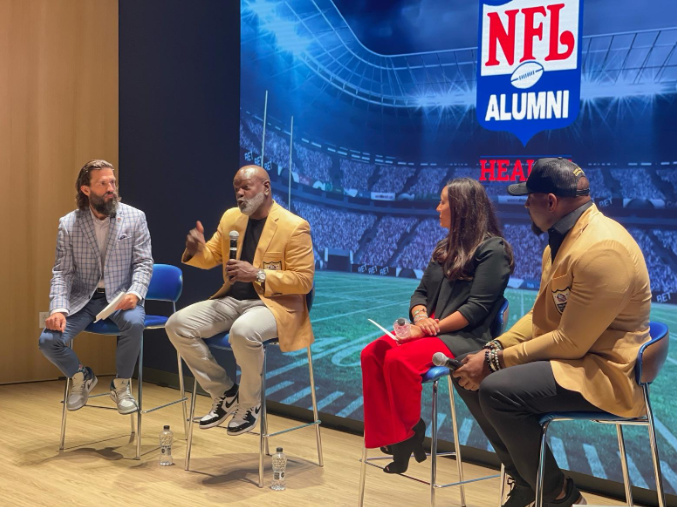
During this year’s NFL Alumni Huddle for Health Symposium, two Hall of Fame legends—Emmitt Smith and Ray Lewis—took the stage alongside AARP caregiving expert Veronica Segovia Bedon to share deeply personal experiences and powerful lessons on healthy aging, caregiving, and purpose-driven living.
NFL Alumni CEO Brad Edwards opened the discussion:
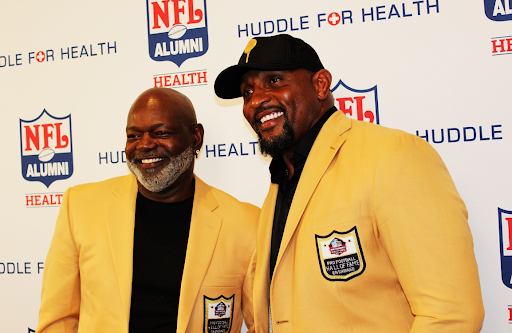
“This is about more than football—it’s about the next chapters of our lives. Our goal is to make sure that the lessons learned on the field help us live healthier, fuller, and longer off the field.”
Healthy Aging: Play the Long Game
Both Ray and Emmitt stressed that healthy aging is a choice—a discipline of mind and body developed over decades.
Emmitt’s Playbook
- Carry over fitness habits from your playing days
- Eat for performance—nutrient-rich, low sugar, stay hydrated
- Schedule full baseline health assessments every two years; use advanced scans to detect early warning signs like arterial plaque
- Prioritize recovery: hot/cold therapy, stretching, massage
Ray’s Mindset Approach
- Challenge your body—switch dominant hand for daily tasks
- Push endurance—cycling 100 miles before sunrise keeps mind and body sharp
- Guard your mental health—regular reflection, community engagement, and purpose
“Health is not just what you look like—it’s what you feel like. You have to make healthy aging your own.” – Ray Lewis
Caregiving Today: Earlier, Broader, More Complex
Caregiving isn’t just an end-of-life role. The average U.S. caregiver is 49, and many start much earlier, often juggling responsibilities for both aging parents and children—the so-called sandwich generation.
Emmitt Smith’s Early Lessons
- At 12 years old, Emmitt worked in a nursing home, initially to earn money for designer jeans, but soon learned the demands and rewards of true caregiving.
- At 10 years old, he helped care for his grandmother through the night while his grandfather worked, building empathy, patience, and a sense of service.
“That job gave me empathy for people who couldn’t care for themselves. And it taught me that one day, all of us will need care.”
Ray Lewis’s Expanded View
- Began caregiving at 10, supporting his mother with cooking, cleaning, and household responsibilities.
- By 18, he became his mother’s full-time caregiver while in college.
- His approach extends beyond family:
“Caregiving isn’t just your blood—it’s your community. It’s the people who helped shape you, and the people you can help shape in return.”
Ray now supports mothers of friends and former teammates, keeping weekly contact to ensure they feel seen and cared for.
Men as Caregivers
Caregiving is often perceived as a women’s role, but that is shifting. Veronica Segovia Bedon highlighted Men Who Care, an AARP initiative connecting male caregivers to share experiences.
“Men often care differently. Sometimes they don’t ask for help, or even realize they need it. But when men gather to share experiences, they realize they’re not alone.”
One in four caregivers reports feeling lonely, and studies show loneliness can harm health as much as smoking 15 cigarettes a day.
Tools & Resources You Can Use Now
From AARP
- Caregiving Resource Center – Guides, checklists, and support communities (aarp.org/caregiving)
- Local Caregiver Resource Locator – Programs, respite care, and training
- Men Who Care – Forum for male caregivers
- Prepare to Care Guide – Step-by-step plan for starting tough conversations (free PDF download)
From NFL Alumni Health
- Huddle for Health Video Library – Past symposiums, expert talks, wellness tips
- Healthy Aging Screenings Program – Partner clinics offering discounted assessments
- NFL Alumni Health Coach – 1-on-1 wellness planning with certified professionals
Tech & AI Innovations
- Gemini (Google) – Care plan organization, medication tracking, tailored health resources
- CarePredict – Wearables detecting early health or behavior changes
- Sensi.AI – Audio-based home monitoring with privacy focus
- ElliQ – AI companion for social engagement and health check-ins
- MediSafe – Medication management with caregiver notifications
Pro Tip: Pair technology with human connection—AI enhances, but cannot replace, the personal touch of caregiving.
Key Takeaways from the Legends
- Make health intentional now. Start habits today for a healthier tomorrow.
- Expect caregiving early. It may arrive decades sooner than anticipated.
- Stay connected. Social ties protect your health as much as exercise or nutrition.
- Use the tools. Technology can reduce stress, improve safety, and free time for loved ones.
- Care for the caregiver. Your well-being is the foundation of the care you give.
Watch the full conversation: nflalumnihealth.org
Explore AARP resources: aarp.org/caregiving